Indian Ocean
Seychelles
Seychelles
Granite islands, private-island luxury and calm-season diving: the Indian Ocean at its most sculptural.
- Surf
- 7 out of 10
- Dive
- 9 out of 10
- Freedive
- 8 out of 10
- Best months
- Apr to Feb
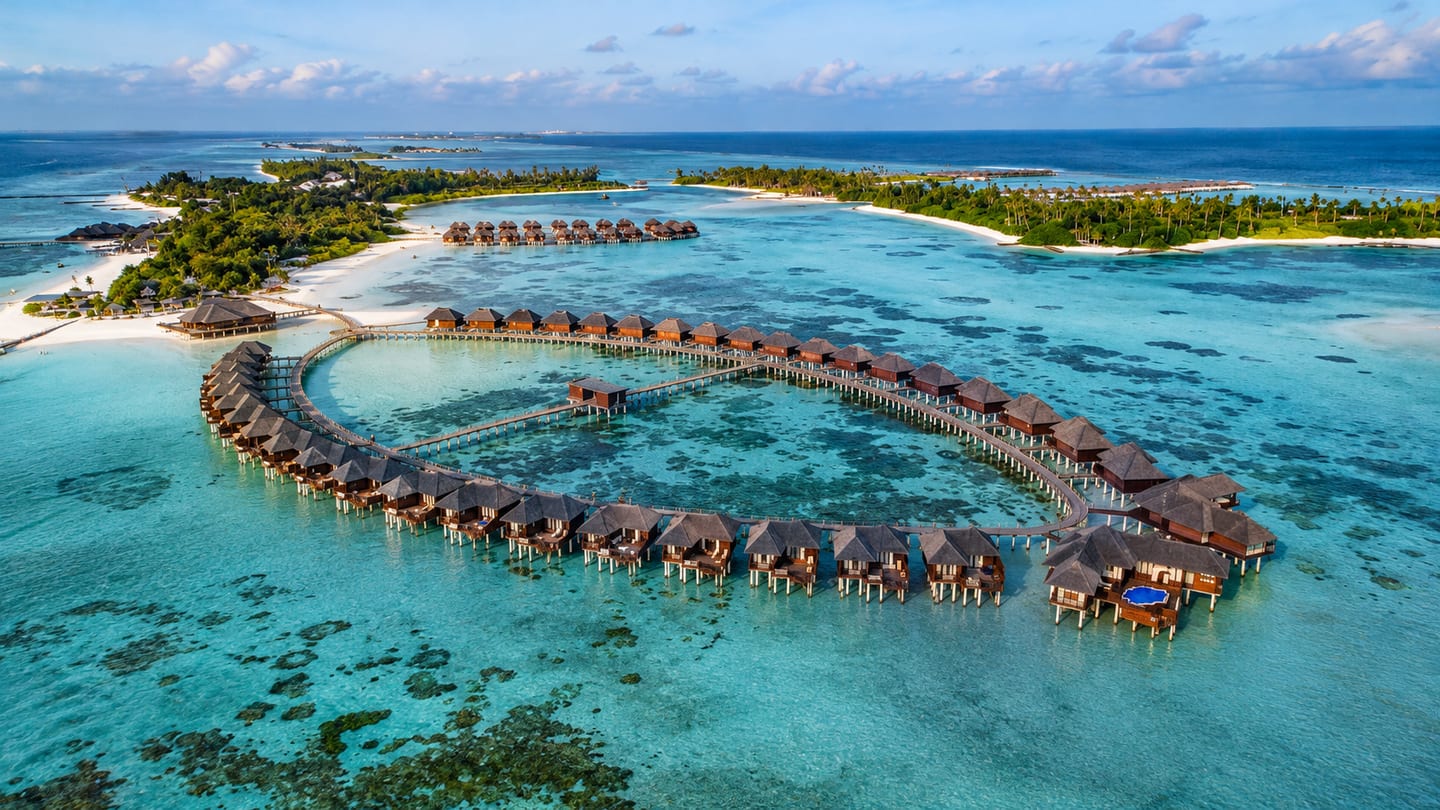
Indian Ocean · Maldives
Atoll reef breaks, house reefs a few steps from the villa and some of the Indian Ocean’s most rewarding diving, with the privacy of a resort that occupies its own island.
Reef surf, pelagic diving and the one-island, one-resort model: the clearest expression of an ocean-first luxury holiday.
The Maldives is one of the easiest places to understand what a luxury ocean holiday actually is. The country is a chain of coral atolls, and almost every decision (where you stay, how you arrive, what you do each morning) is shaped by the reef. Official Maldives tourism information highlights the one-island-one-resort model, reef surfing across several atolls and diving that ranges from easy house reefs to pelagic sites such as Fuvahmulah. For European travellers it is a long-haul trip, but one with very little friction once you land: a seaplane or speedboat, a villa over or beside the lagoon, and the water immediately outside.
The geography does the work. Atolls are ringed by reef passes, which create surf on the outer edges and channels full of marine life on the inside. You do not have to drive anywhere to reach the ocean; you are already in it.
It suits mixed-interest travel unusually well. One person can take a boat to a reef break at dawn while the other snorkels the house reef, books a spa treatment or does nothing at all, and both meet again for lunch.
Luxury here is structural rather than decorative. Because each resort sits on its own island, privacy, quiet and direct water access are part of the format, not an upgrade.
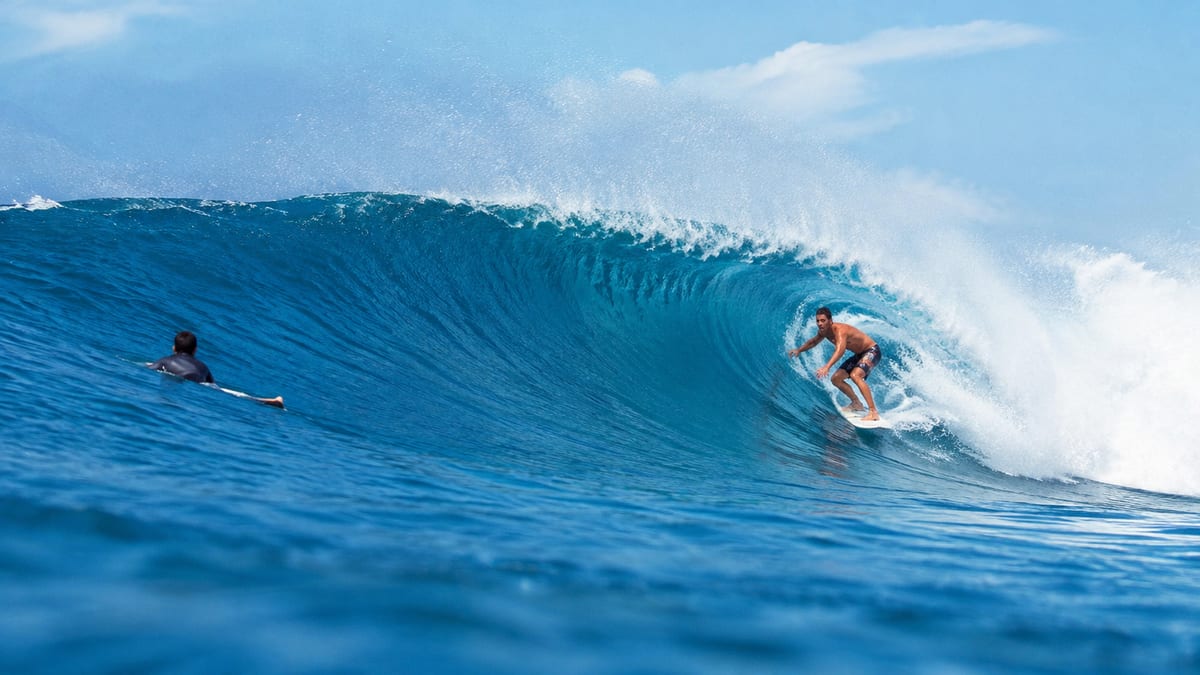
Maldivian surf breaks over shallow coral reef, usually reached by boat. Waves are generally well-shaped and less intimidating than heavier Indonesian or Pacific reefs, but this is not a beginner destination: reef, currents and boat logistics demand some experience. North Malé is the most accessible zone; selected resorts hold access to nearby breaks, and surf charters can move between atolls with the swell. Check how surf access is managed at your chosen resort before booking.
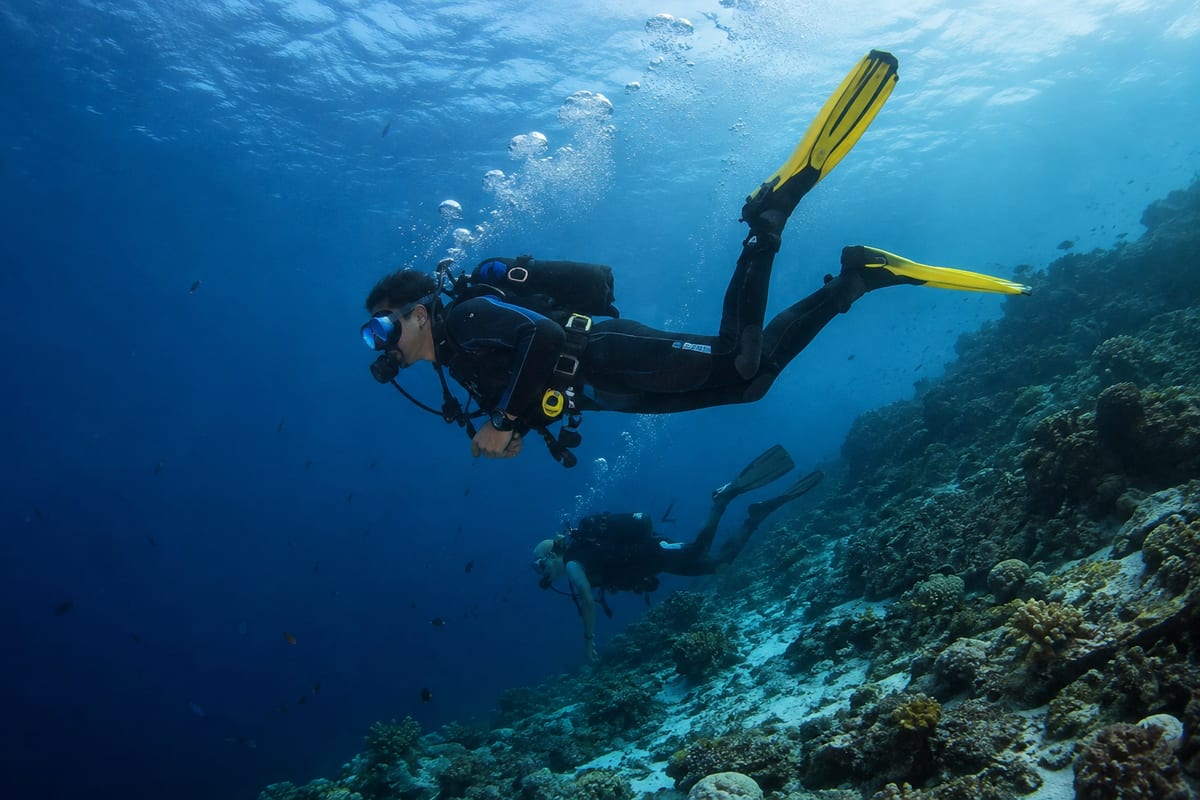
Diving is central to the Maldives’ identity. Channel dives can be current-driven and suit experienced divers; house reefs and lagoons suit newer divers and snorkellers. Fuvahmulah is promoted by Visit Maldives for pelagic diving and several shark species. The strongest luxury dive trips pair a well-run dive centre with good boat logistics and sensible guide ratios. The most expensive resort is not automatically the best dive base.
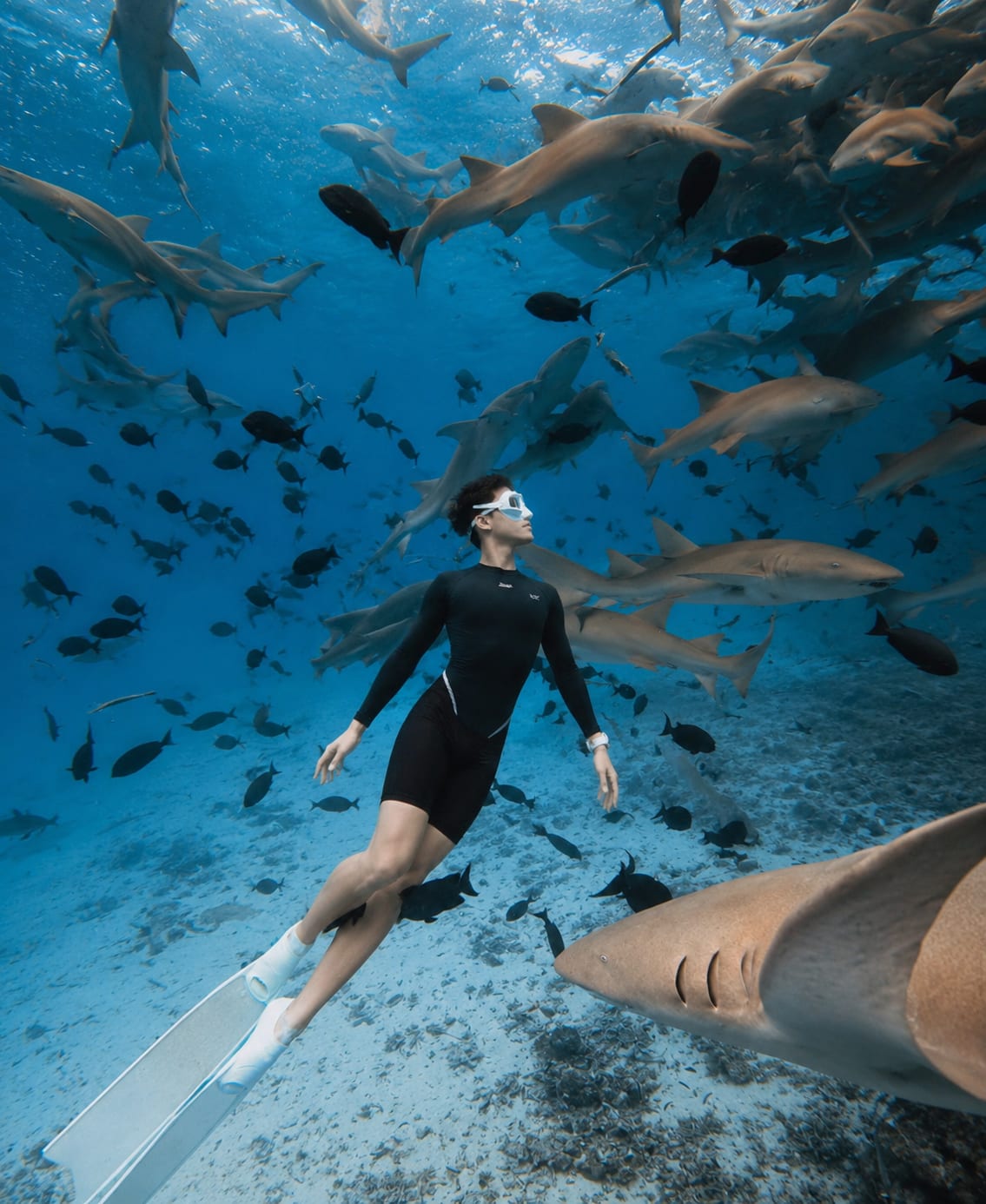
Warm water, sheltered lagoons and reef walls make the Maldives appealing for freediving practice. Train only with qualified instructors, use a buddy system at all times and be cautious near channels where current can build quickly. Boat traffic around resorts is a real consideration. Always use a surface buoy and follow local guidance.
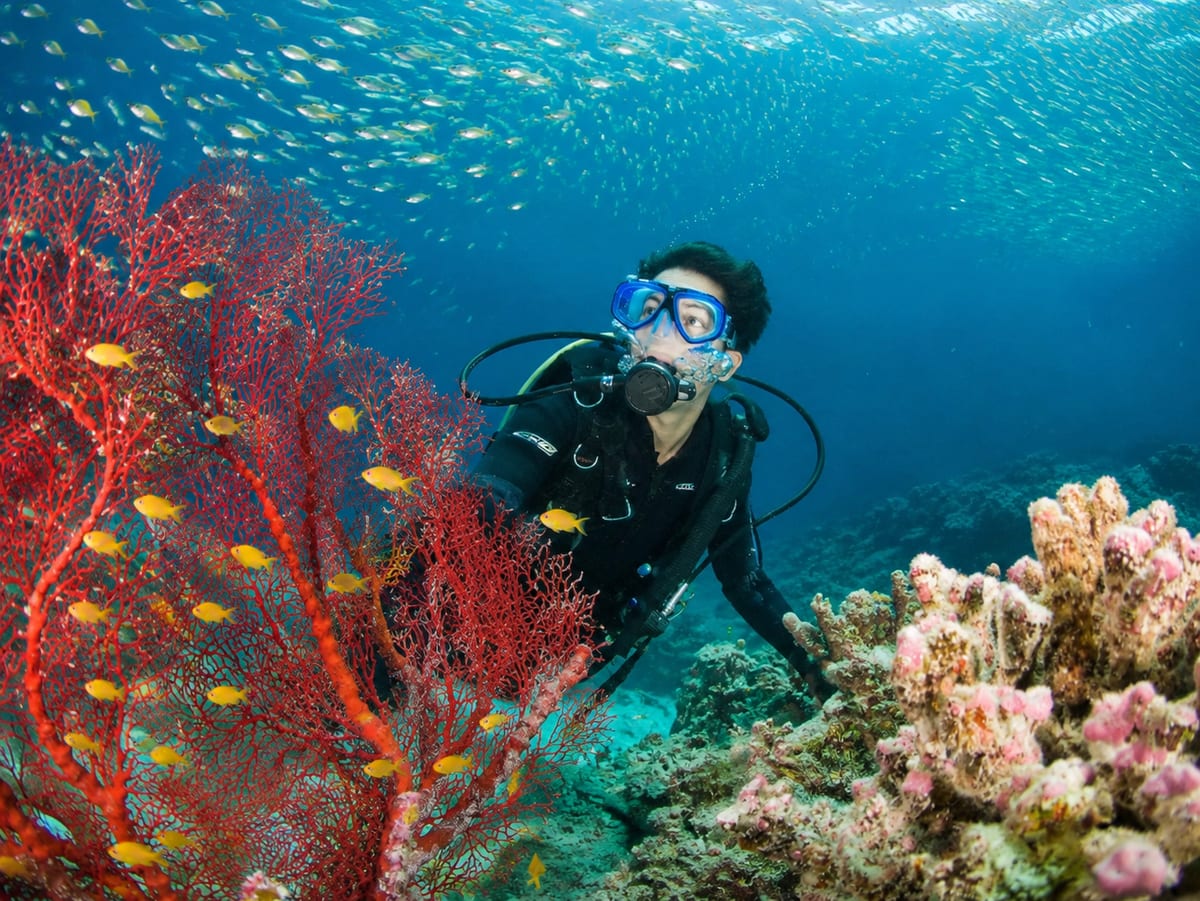
Manta rays, whale sharks, reef sharks and turtles are among the animals most associated with the Maldives, but none is guaranteed on a given day. Encounters depend on season, atoll and conditions. Keep a respectful distance, never touch or chase animals and follow the regulations in protected areas such as Hanifaru Bay, where access is controlled.
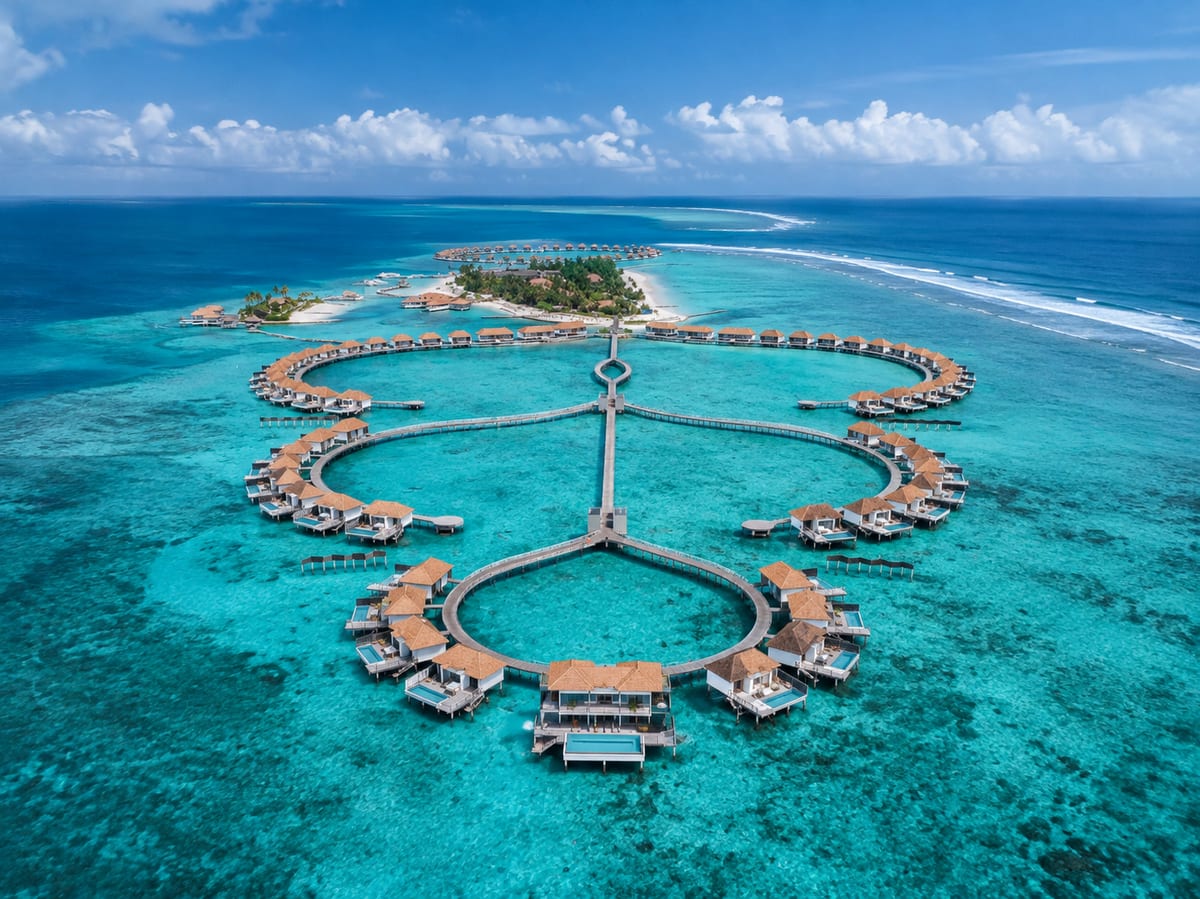
Luxury one-island-one-resort model; reef access and dining built into the stay.
Surf and Dive does not take payment for recommendations. We describe accommodation types rather than naming properties we have not independently verified.
Explore luxury ocean holidaysThe Maldives is a natural winter-sun choice for Europeans: warm water and settled weather typically coincide with the coldest months at home. Autumn and spring offer an interesting balance for surfers who want stronger swell windows.
An illustrative shape for a first trip. Adjust around swell, visibility and your own pace. Always leave flexibility for the ocean.
International arrival into Malé, seaplane or speedboat transfer, then an easy afternoon on the house reef with a snorkel and an early night.
Morning boat dives or surf sessions while the wind is lightest; afternoon recovery, spa and a guided snorkel. Keep one afternoon completely free.
A full-day boat trip for pelagic diving, a remote break or a sandbank lunch, depending on conditions.
Let the swell and visibility decide: surf if the reef is working, dive if the channels are clear, freedive training in the lagoon with an instructor.
No diving within the recommended pre-flight interval. Finish with a slow lagoon day before the transfer back to Malé.
7-10 nights. Allow a recovery day on arrival; long-haul flights plus a seaplane or speedboat transfer make very short stays poor value.
Coastline, people, culture and the moment that defines the destination, with the ocean always at the centre.
Generally not. Most Maldivian surf breaks over shallow coral reef and are reached by boat, which suits intermediate and advanced surfers. Complete beginners are usually better served by sandy-bottom beach breaks in places such as Portugal or parts of Bali.
Diving is possible year-round. The drier north-east monsoon (roughly December to April) is often associated with calmer conditions, while some manta activity is typically linked to the south-west monsoon months on certain atolls. The best month depends on what you want to see and where.
Yes, and it is one of the destination’s strengths. Many travellers surf in the morning and dive or snorkel later, or alternate days. Build the itinerary around whichever activity matters most and leave rest days.
No. Encounters depend on season, location and conditions. Choose operators who follow local regulations and keep a respectful distance, and treat any sighting as a privilege rather than a promise.
Seven to ten nights works well for most European travellers. The long-haul flight and onward transfer make anything shorter feel rushed.
Similar water, a similar season or a natural alternative to the Maldives.
Seychelles
Granite islands, private-island luxury and calm-season diving: the Indian Ocean at its most sculptural.
Mauritius
Five-star resort culture, lagoons for every water sport and the famous reef wave beneath Le Morne.
France (overseas collectivity)
Lagoons, mountain islands and atoll passes alive with sharks and rays: the most cinematic ocean holiday in the Pacific.
Sri Lanka
Two surf coasts with opposite seasons, boutique heritage hotels and wildlife safaris, and luxury that feels considered rather than excessive.
Neither is universally better. They solve different travel problems: here is how to tell which one is yours.
A great dive is only part of a great diving holiday. Where the underwater world and everything around it are both exceptional.
Leave winter behind and build the month around warm water, then let your dive priorities shorten the list.
One of you wants to surf at sunrise. The other wants coffee and a slow morning. You do not need separate holidays.
Warm sand, an early surf and dinner outside. Where to spend the festive season by the ocean, and how to make the premium count.
Ready to plan the Maldives? Check the best months, compare alternatives and read our planning guides before you book.
Last reviewed November 2026 by the Surf and Dive Editorial Team. Operational details change. Please verify access rules, regulations and conditions before travel. See our editorial standards.